

Nepal Through Chaos - A Condé Nast Traveler Assignment
Diego Martinez is a Spanish portrait, commercial, and fashion photographer, and NYA-EVO ambassador. Below, he shares his most recent assignment—a photoshoot in Nepal for Condé Nast Traveler that brought unexpected challenges and unforgettable moments.

What was the original brief for the Conde Nast Traveller Nepal story, and how did you prepare your gear knowing the potential challenges of shooting in that region?
The initial idea was to draw on my experience from years ago in Nepal and create a winter feature for Condé Nast Traveler—mixing photos from previous trips with new images.
Walk us through your camera bag for this assignment – what did you bring, what did you leave behind, and why?
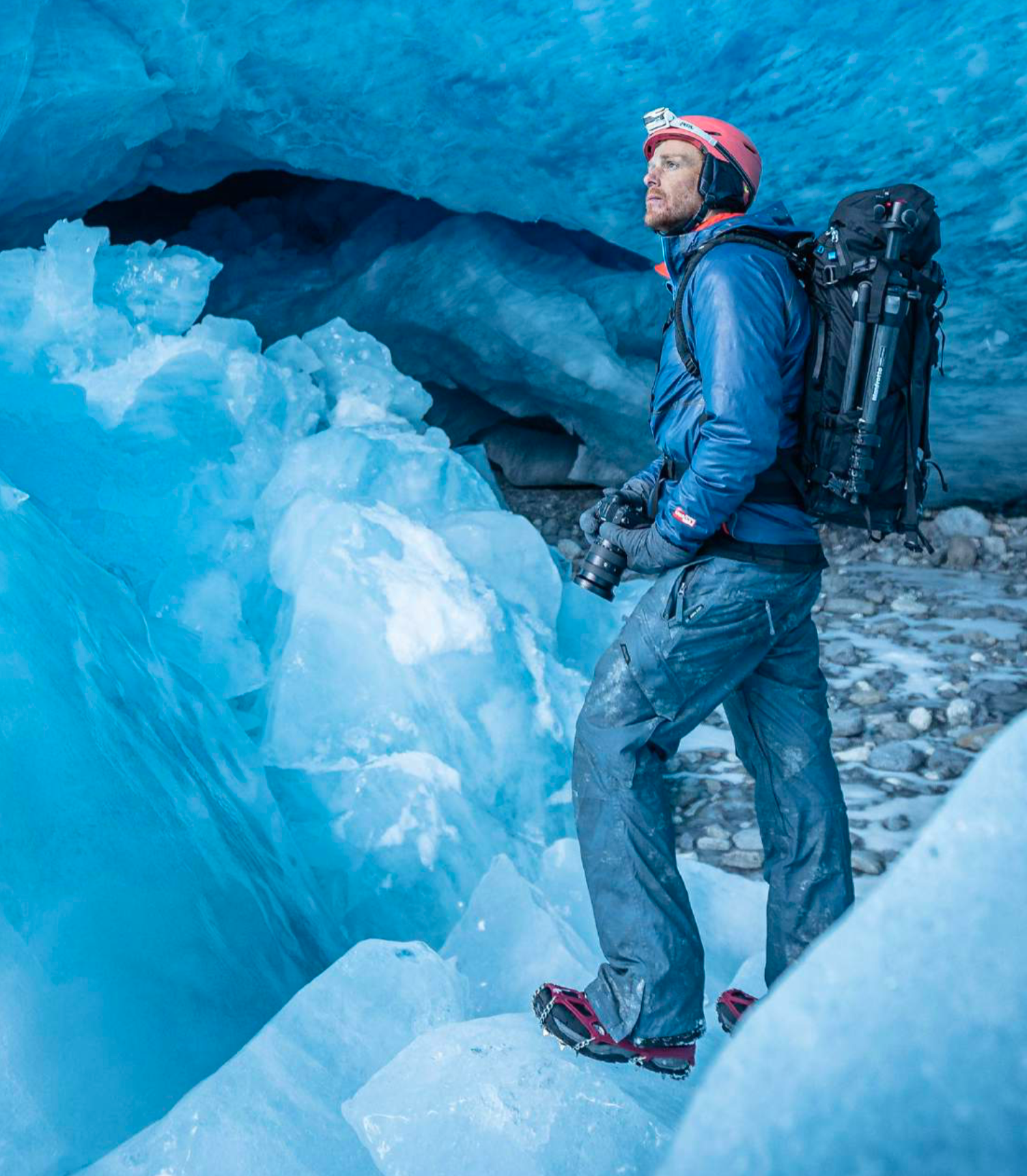
I love working with analog cameras and black-and-white film, and blending that with digital shots. But for this project, I had to prioritize weight and the technical side of things. Normally, I travel with a 4x5 camera, two lenses, film holders, film, a tripod…plus a digital body with three or four prime lenses and a point-and-shoot. All of this, together with the mountain gear, fits perfectly in the Fjord 60 C, which lets me play with the space and the RCI (M and XS). In the end, I had to leave the 4x5 behind and replace it with a 6x6 Nettar Zeiss Ikon—much smaller, but still capable of producing excellent results.

At what point did you realize this assignment was going to be more than you bargained for? What was going through your mind?
The plan, at least on paper, was to do an acclimatization trek through part of the Khumbu Valley, crossing Cho La Pass to Everest Base Camp, and then continue acclimatizing on Island Peak before attempting Ama Dablam. In recent years, due to climate change, mountain conditions have been shifting: monsoons arrive later, and the cold is less extreme. We were counting on that.
Can you describe the moment when you learned about the social unrest? How do you stay focused on your work when circumstances become unpredictable or dangerous?
No one could have foreseen what would later unfold in Kathmandu—protests that turned into a tragic crisis, with dozens dead and hundreds injured. At that moment, we were halfway through acclimatizing, but the uncertainty in the country, the shutdown of domestic and international airports, and the imposed curfew, combined with weather forecasts, made the final outcome very uncertain.
As the days went by, doubts naturally piled up. Still, in situations like this, experience and professionalism help you stay focused on the photographic process and keep a cool head, even if the ghosts of insecurity always show up while sitting by the fire in the lodge.

What's the hardest decision you had to make during this trip – stay and shoot, or prioritize safety?
During those days we made the hardest decision of the whole project: saying goodbye to the most technical part—climbing Ama Dablam. It was something ambitious that I had invested a lot of time, effort, and more than a year of preparation into. But sometimes you have to be realistic and put safety first.
We couldn’t know that beyond that decision, a very complicated journey back awaited us: days of monsoon rain, a moderate earthquake, and three days stranded in Lukla waiting for a flight with zero visibility, which eventually forced us into a rough return by road muddy, flooded tracks that were literally collapsing under the wheels of the 4x4s, with potentially fatal consequences.
How do you balance your responsibility to deliver the story with your responsibility to yourself and your team's safety?
Years of experience as a photographer—and the trust Condé Nast Traveler placed in me—gave me some peace of mind, even if doubts are only human. I always try to adapt to the technical needs and to whatever situation I’m facing. As a photographer friend of mine likes to say: “we get paid to solve problems.”

When conditions are impossible, how do you adapt? Were there shots you had to completely reimagine on the fly?
In the end, you have to trust your instincts and believe in the work you’ve done, and trust that its quality will guide the rest—as it eventually did.
Besides being incredibly challenging, this project reminded me that not everything is under control. Out of chaos and difficult moments, you sometimes get the most powerful photographic and human experiences—moments that push you to the limit but make you grow, both personally and professionally.
Some of your best work comes from these chaotic moments – what's your mental process for finding the story when everything around you is falling apart?
Adventure photography, after all, is about dealing with the unpredictable and turning chaos into balance. And that’s something you only learn by facing it, struggling through it, and discovering whether you’re ready or not—because, like in many parts of life, you don’t really know until you’re there.

How does shooting in crisis or unstable situations change your approach to composition, timing, and subject interaction?
The moments of uncertainty and tension are balanced out by the people you share them with. Nepalis are tough people, but they radiate a strange sense of peace—something that isolates you from the moment and suspends you in a kind of calm.
What did this assignment teach you about yourself as a photographer that years of "smooth" shoots never could?
In the end, all of this leaves you with a surprisingly good feeling, despite all the setbacks. The journey is the path.

In situations like Nepal – with unpredictable weather, quick movements, and potential danger – what does your backpack need to do for you beyond just carrying gear?
On this trip—and many others—NYA-EVO was with me. For me, what really makes the difference is the confidence it gives me: knowing that any weather surprise is under control thanks to their impeccable design, and knowing my gear is safe even when I can’t carry it on my back (during land, air, or sea transport). And of course, the comfort of their products—especially the versatility, which is what matters most to me. One backpack that does it all: adventure, city life, fully modular… A single pack I can take from a mountain summit straight to a five-star hotel.
______________________
We want to thank Diego for sharing his story with us and please check out Diego's work on instagram or his website.
Leave a comment
Comments will be approved before showing up.